When a Child Is Not Talking
It can be concerning for parents when a child is not talking as expected. While every child develops at their own pace, communication milestones provide general guidance for when speech typically begins to emerge.
Some children begin using words earlier, while others take more time. However, when a child is not talking or is using very few words compared to others their age, it may be a sign that additional support is needed.
Understanding what is typical and what may require attention can help parents make informed decisions.
Speech and Language Develop at Different Rates
Speech refers to how a child produces sounds and words. Language refers to how a child understands and uses those words to communicate.
A child may:
- Understand language well but have difficulty speaking
- Use gestures instead of words
- Attempt to communicate but struggle to form clear sounds
These differences are important when evaluating why a child is not talking.
Common Reasons a Child May Not Be Talking
There are many reasons why a child may not be talking yet. Some are part of normal variation, while others may require support.
Possible factors include:
- Delayed language development
- Difficulty understanding language
- Limited exposure to language interaction
- Hearing concerns
- Challenges with speech sound production
- Differences in how a child processes communication
Each child’s situation is unique, and identifying the underlying cause is important.
When to Be Concerned
While some variation is expected, there are general guidelines that may indicate a need for evaluation.
Parents may want to seek guidance if a child:
- Is not using words by around 12 to 15 months
- Has a very limited vocabulary by 18 months
- Is not combining words by age two
- Does not respond consistently to their name
- Has difficulty following simple directions
- Shows frustration when trying to communicate
These signs do not always indicate a serious issue, but they do suggest that a closer look may be helpful.
Communication Is More Than Words
Even if a child is not talking, they may still be communicating in other ways. Gestures, pointing, facial expressions, and sounds are all part of early communication.
Parents can look for signs such as:
- Pointing to objects of interest
- Making eye contact
- Attempting to imitate sounds
- Responding to familiar voices
These behaviors provide important insight into a child’s communication development.
Early Support Can Make a Difference
If a child is not talking, early support can be highly effective. Young children are in a critical stage of development, and early intervention can help build foundational communication skills.
Support may focus on:
- Encouraging language through interaction
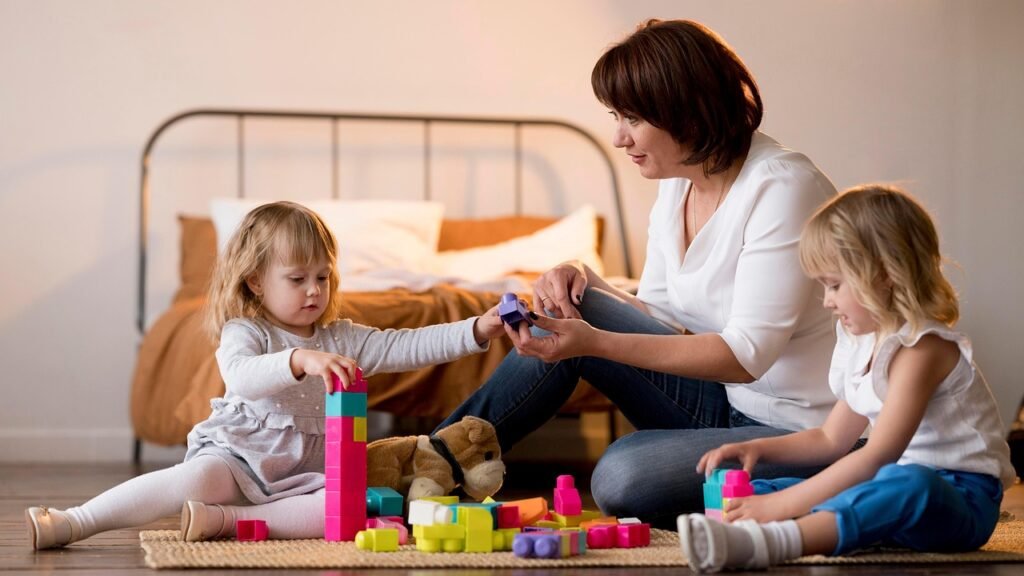
- Building vocabulary through play
- Strengthening listening and understanding
- Supporting speech sound development
Addressing concerns early can reduce frustration and improve long-term outcomes.
What Parents Can Do at Home
There are simple ways parents can support communication development throughout the day.
Helpful strategies include:
- Talking during everyday activities
- Naming objects and actions
- Expanding on what the child is trying to say
- Reading together regularly
- Encouraging interaction through play
These consistent interactions help children connect words with meaning.
When to Seek a Speech Evaluation
If concerns persist, a speech and language evaluation can provide clarity. An evaluation helps determine whether a child’s development is within an expected range or if additional support is recommended.
An evaluation can:
- Identify strengths and areas for growth
- Provide guidance for next steps
- Offer reassurance for parents
- Support early intervention when needed
Seeking professional input does not mean something is wrong. It means you are taking proactive steps to support your child.
The Takeaway
When a child is not talking, it is natural for parents to feel concerned. While some children develop speech later than others, certain signs may indicate the need for additional support.
Understanding communication development and taking early action when needed can make a meaningful difference.
Pamela Cerrato provides individualized speech and language evaluations and therapy designed to help children build strong communication skills and gain confidence in expressing themselves.