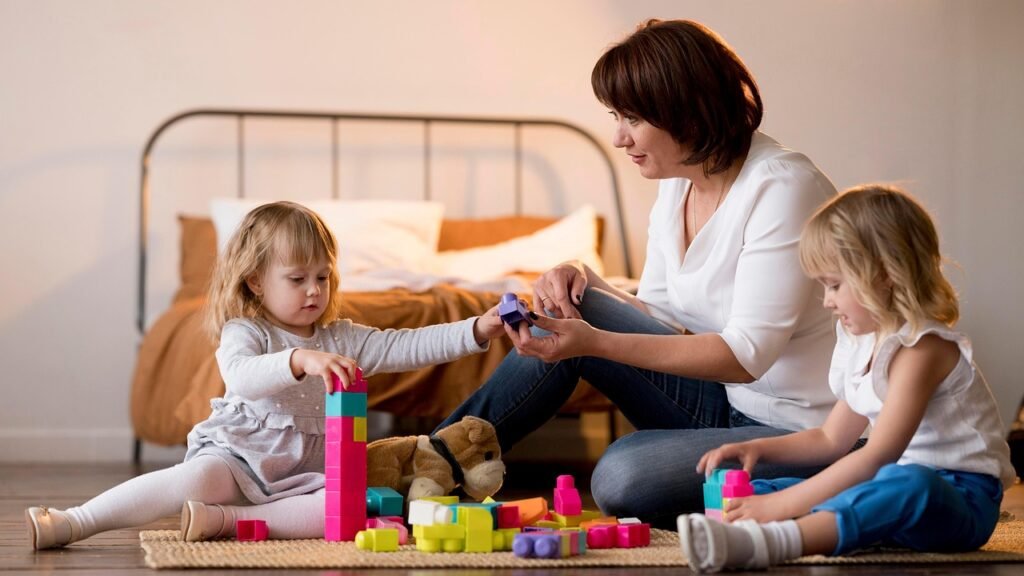
Helping your child build strong speech and language skills does not require complicated tools or long practice sessions. In fact, some of the most effective strategies happen during everyday moments, routines, and play.
At Vero Speech Therapy, I encourage parents to use simple, natural interactions that strengthen communication, confidence, and curiosity. Here are this week’s new tips for supporting your little one’s speech and language development at home.
Use Choice-Making to Encourage More Speech
Instead of giving your child everything automatically, offer simple choices that encourage verbal responses.
Examples:
- Do you want the red cup or the blue cup
- Should we read the animal book or the truck book
- Do you want apples or bananas
Choice-making teaches vocabulary, improves expressive language, and gives your child a sense of independence.
Build Language Through Simple Routines
Routines create predictable opportunities for communication. Repeating the same words during daily tasks helps children learn them faster.
Try these routine-based phrases:
- All done
- Time to wash
- Up and down
- Shoes on
- Brush and rinse
Short, consistent language during routines creates powerful learning patterns.
Encourage Your Child To Request Items
Instead of handing things to your child right away, pause and wait for a gesture, sound, or word. This teaches purposeful communication.
Examples:
- Hold the snack but wait for them to point, sign, or say more
- Keep puzzle pieces in a container so they need to request each one
- Hold the bubbles until they say open or help
A small pause often creates big opportunities for language growth.
Model Short, Simple Sentences
Young children learn best through simple, clear speech modeling. Use short phrases and repeat them often.
Examples:
- Big truck
- More bubbles
- Want snack
- Look here
- My turn
Simple language makes it easier for children to imitate and build longer phrases over time.
Expand What Your Child Says
If your little one uses one or two words, expand their speech by adding one more word.
Child: Ball
You: Big ball
Child: Want milk
You: Want cold milk
This teaches grammar, new vocabulary, and sentence structure naturally.
Use Real Objects Instead of Screens
Real toys, real objects, and real interactions build stronger speech and language skills than tablets or phones. Screens can be passive, but real-world play encourages talking, thinking, and problem solving.
Helpful toys include:
- Blocks
- Bubbles
- Toy animals
- Cars and trucks
- Pretend play sets
Simple toys make the best learning tools.
Celebrate All Communication Attempts
Speech progress happens one step at a time. Celebrate gestures, sounds, attempts at words, and even close approximations.
Instead of focusing on perfect pronunciation, focus on communication itself.
Examples:
- You tried! Great job
- I heard you say more
- Nice asking
Encouragement builds confidence and motivation to keep trying.
Helping Your Child Communicate Starts At Home
Small, consistent moments of interaction can build strong speech and language foundations for your child. By adding simple strategies into your day, you strengthen their ability to communicate clearly, confidently, and joyfully.
At Vero Speech Therapy, I work with families to create personalized, supportive plans that make speech development fun and effective for little ones.
Contact Us Today to learn more or schedule a consultation with Pamela Cerrato.
Because every child deserves a strong voice — and it begins with everyday moments at home.