When most people think of speech therapy, they picture support for sound production, stuttering, or vocabulary. But speech therapy also plays a major role in helping children navigate social skills, peer interactions, and the communication demands of everyday life. For many children, speaking clearly is only one part of communication — knowing how to use language in social situations is just as important.
At Vero Speech Therapy, we support children not only in developing speech and language, but also in building the confidence and social communication skills that help them connect, play, and make friends.
Communication Is More Than Words
Social communication includes skills such as:
- Taking turns in conversation
- Understanding facial expressions and tone
- Staying on topic
- Asking and answering questions
- Negotiating during play
- Reading social cues
- Understanding jokes and figurative language
These abilities help children participate socially and emotionally — at school, at home, and in the community.
Social Skills Begin in Early Childhood
Children typically begin developing social communication through:
- Imitation
- Joint attention
- Pretend play
- Turn-taking games
- Early peer interaction
These foundational skills build cooperative play, which later becomes group play and real peer relationships.
When Social Communication Is Challenging
Some children struggle socially not because they do not want to interact, but because communication feels harder or less intuitive. Challenges may include:
- Limited vocabulary to express needs
- Difficulty entering play
- Trouble staying on topic
- Misunderstanding jokes or sarcasm
- Difficulty interpreting tone or body language
- Struggles with perspective-taking
- Difficulty negotiating or resolving conflicts
These challenges can affect friendships, confidence, and participation in school.
How Speech Therapy Supports Social Development
Speech therapy helps children develop the communication skills needed for positive social interaction, including:
1. Conversation Skills
Children learn:
- How to initiate conversations
- How to take turns
- How to ask questions
- How to stay on topic
- How to close conversations
These skills reduce awkwardness and increase participation.
2. Nonverbal Communication
Therapists support understanding and using:
- Eye contact
- Gestures
- Facial expressions
- Tone of voice
- Personal space
Nonverbal communication carries much of a message’s meaning.
3. Perspective-Taking and Social Awareness
Children learn to understand:
- What others might think or feel
- How their words affect others
- How to respond to emotions during play
- How to share and compromise
Perspective-taking is key for making and keeping friends.
4. Problem-Solving and Conflict Resolution
Social play often involves negotiation. Therapy helps children practice:
- Compromising
- Clarifying misunderstandings
- Communicating needs calmly
- Repairing social breakdowns
These are lifelong skills.
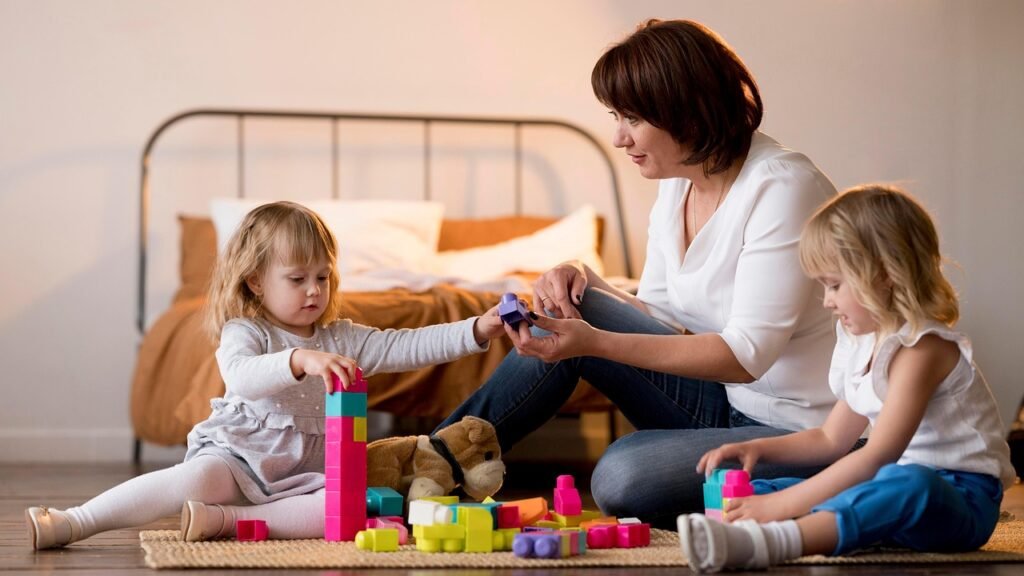
The Role of Play in Social Learning
Speech therapy often uses structured and unstructured play because play is the natural language of children. Through play, children learn to:
- Collaborate
- Imagine
- Take turns
- Create rules
- Organize stories
- Assign roles
Play teaches communication far more organically than drills or worksheets.
Benefits Extend Far Beyond Speech
Improving social communication often results in:
- Higher self-confidence
- Better peer relationships
- Greater classroom participation
- Reduced frustration
- Better emotional regulation
- Stronger academic engagement
Social success reinforces communication, creating a positive cycle.
When Parents Should Consider Support
Speech therapy may be helpful if a child:
- Avoids peers or group play
- Has difficulty joining or sustaining play
- Misinterprets tone or sarcasm
- Struggles with conversation flow
- Has trouble understanding social rules
- Becomes frustrated or withdrawn during social situations
Early support can prevent long-term social anxiety or isolation.
Supporting Your Child’s Social Communication Journey
Speech therapy strengthens communication skills that help children connect meaningfully with the world around them. Peer interaction is central to childhood, and every child deserves the confidence to participate fully.
If you have concerns about your child’s social communication or peer interaction, Vero Speech Therapy can help guide the next steps and provide support. Contact us today for a free consultation!
Communication builds connection. Connection builds confidence.