Language Development Begins With Interaction
Children learn language through interaction, not simply by hearing words around them. The conversations they have with parents, caregivers, and family members play a central role in how communication skills develop.
When adults talk directly with children, they create opportunities for listening, understanding, and responding. These interactions help build the foundation for vocabulary, sentence structure, and social communication.
Even simple conversations during everyday activities can have a powerful impact on development.
Everyday Moments Become Learning Opportunities
Language learning does not require special lessons or structured activities. Many of the most valuable learning moments happen during daily routines.
Simple interactions such as these can support communication growth:
- Talking about what you are doing while preparing meals
- Naming objects while cleaning or organizing
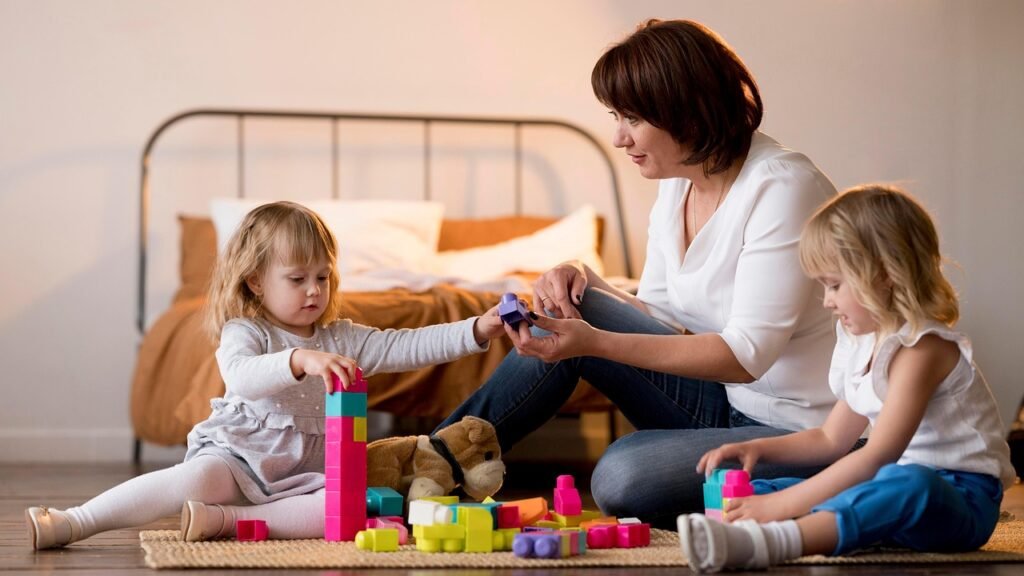
- Describing actions during playtime
- Discussing what you see during a walk
- Talking through routines such as getting dressed or brushing teeth
These small conversations expose children to new vocabulary and help them understand how language connects to the world around them.
Children Learn by Hearing and Responding
When adults speak with children, they model how language works. Children listen to tone, rhythm, word choice, and sentence structure. Over time, they begin to imitate and expand what they hear.
Interactive conversation is especially important because it encourages children to respond. When a child attempts to answer a question or comment on something they see, they practice forming words, phrases, and eventually full sentences.
Language grows through participation.
Repetition Strengthens Understanding
Young children benefit from hearing words and phrases repeatedly. Repetition helps them connect meaning with sound and recognize how words are used in different contexts.
When parents talk regularly with their children, familiar words appear naturally throughout the day. This repeated exposure helps strengthen comprehension and supports vocabulary growth.
Consistency over time leads to stronger communication skills.
Conversation Builds Confidence
Talking with children also helps them feel comfortable expressing themselves. When adults listen attentively and respond positively, children learn that their words matter.
This encouragement supports confidence in communication. Children who feel comfortable speaking are more likely to ask questions, share ideas, and engage with others socially.
These communication habits become important as children enter school and begin interacting with peers and teachers.
Screens Cannot Replace Human Interaction
While children may hear language through television, videos, or digital content, these sources do not replace real conversation. Language development relies on responsive interaction where adults and children exchange words, gestures, and attention.
Live conversation allows adults to respond to a child’s interests, expand on their ideas, and adjust language to their level of understanding.
This back-and-forth interaction is what helps language skills grow most effectively.
Early Communication Shapes Future Learning
Strong early language skills support many areas of development. Communication influences reading readiness, social interaction, problem solving, and classroom participation.
Children who have regular conversations with adults often develop stronger listening skills and broader vocabularies. These abilities support learning throughout childhood.
Talking with your child today helps prepare them for success in the future.
The Takeaway
Talking with your child may seem simple, but it plays an essential role in language development. Everyday conversations build vocabulary, strengthen understanding, and help children gain confidence in expressing themselves.
Parents and caregivers are a child’s most important language teachers. By engaging in regular conversation during daily routines, families can support communication growth in natural and meaningful ways.
Pamela Cerrato provides individualized speech and language therapy to help children strengthen communication skills and build the foundations needed for confident learning and interaction. Contact Pamela Cerrato today to learn more!