What Is Speech Therapy
Speech therapy is a specialized service that helps children improve their communication skills. It focuses on how children understand language, express themselves, and use speech sounds clearly.
Speech therapy can address a wide range of communication challenges, including delayed speech, difficulty forming words, trouble understanding language, and challenges with social communication.
The goal of speech therapy is to help children communicate more effectively and confidently in everyday situations.
How Speech Therapy Helps Children
Speech therapy supports children by building the skills they need to express their thoughts, understand others, and interact successfully with the world around them.
Through guided activities and structured interaction, speech therapy helps children:
- Improve clarity of speech
- Expand vocabulary and sentence structure
- Strengthen listening and comprehension skills
- Develop social communication abilities
- Reduce frustration related to communication challenges
As communication improves, children often gain confidence in both social and academic settings.
Common Reasons Children Need Speech Therapy
Children may benefit from speech therapy for a variety of reasons. Some challenges are easy to recognize, while others may be more subtle.
Common reasons include:
- Limited vocabulary for age
- Difficulty combining words into sentences
- Trouble understanding directions
- Unclear speech or difficulty pronouncing sounds
- Frustration when trying to communicate
- Difficulty interacting with peers
Early support can help address these challenges before they impact learning and social development.
Types of Skills Addressed in Speech Therapy
Speech therapy focuses on multiple areas of communication. Each child’s needs are unique, so therapy is often tailored to target specific skills.
These may include:
- Articulation, which focuses on producing speech sounds clearly
- Receptive language, which involves understanding spoken language
- Expressive language, which involves using words and sentences to communicate
- Social communication, which includes conversation skills and interaction
- Pragmatic language, which helps children use language appropriately in different situations
Developing these skills supports overall communication and learning.
The Importance of Early Intervention
Early intervention plays a critical role in speech and language development. The earlier challenges are identified, the easier they are to address.
Young children’s brains are highly adaptable, making early support especially effective. Speech therapy during these early years can:
- Accelerate language development
- Prevent frustration from increasing
- Support readiness for school
- Improve social interaction skills
Taking action early can make a significant difference in long-term outcomes.
What Happens During Speech Therapy Sessions
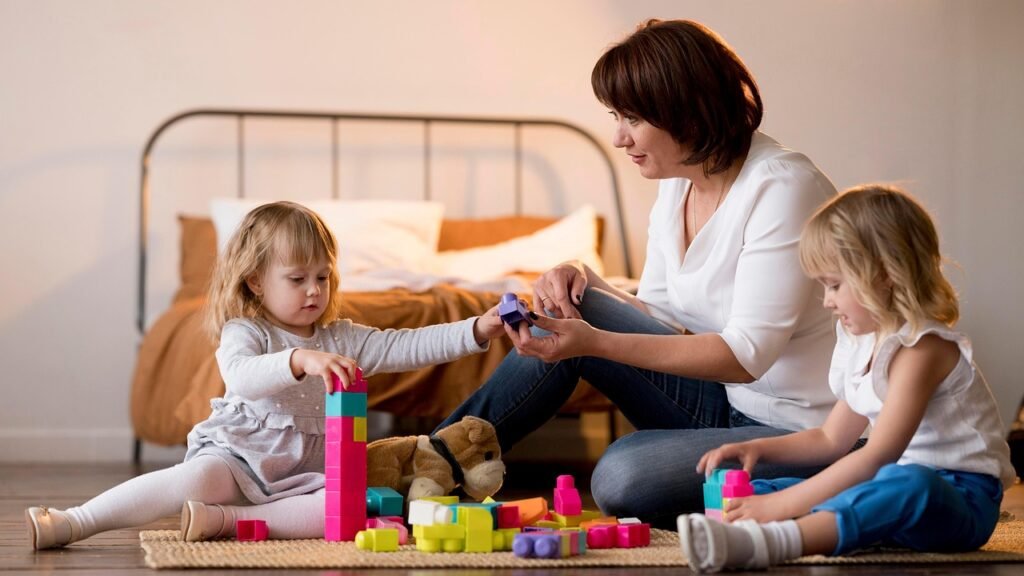
Speech therapy sessions are designed to be engaging and interactive. For younger children, therapy often feels like play while still targeting specific communication goals.
Sessions may include:
- Play-based activities that encourage language use
- Structured exercises to practice sounds and words
- Interactive games that build communication skills
- Guided conversation and storytelling
- Parent involvement and coaching
This approach helps children stay engaged while learning new skills.
Speech Therapy Supports Confidence
Communication is closely tied to confidence. When children struggle to express themselves, they may become withdrawn or frustrated.
As speech therapy helps improve communication skills, children often become more willing to participate, interact, and share their ideas.
This increased confidence can positively impact both social relationships and academic performance.
When to Consider Speech Therapy
Parents may consider speech therapy if they notice ongoing communication challenges or delays compared to typical developmental milestones.
Signs to watch for include:
- Not speaking as much as other children the same age
- Difficulty being understood by others
- Trouble following directions
- Limited interaction with others
- Frequent frustration during communication
A professional evaluation can provide clarity and help determine the best next steps.
The Takeaway
Speech therapy is a valuable tool for helping children develop strong communication skills. It supports speech, language, and social interaction, all of which are essential for success in everyday life.
By addressing challenges early and providing targeted support, speech therapy helps children build confidence, reduce frustration, and communicate more effectively.
Pamela Cerrato provides individualized speech therapy services designed to support each child’s unique needs and help them develop the communication skills necessary for long-term success.